
Maybe instead of INSPIRING you, you’re left feeling like everything in the genre has already been done to death. WELL…
It’s National Tell A Fairytale Day, Story Quester. Which has got me thinking about my own Dark Cozy Fantasy WIP, Seventh Swan. 🦢 But more so, how you can’t take a step in the Fiction section of any bookstore or library without your gaze landing on a fairy tale retelling
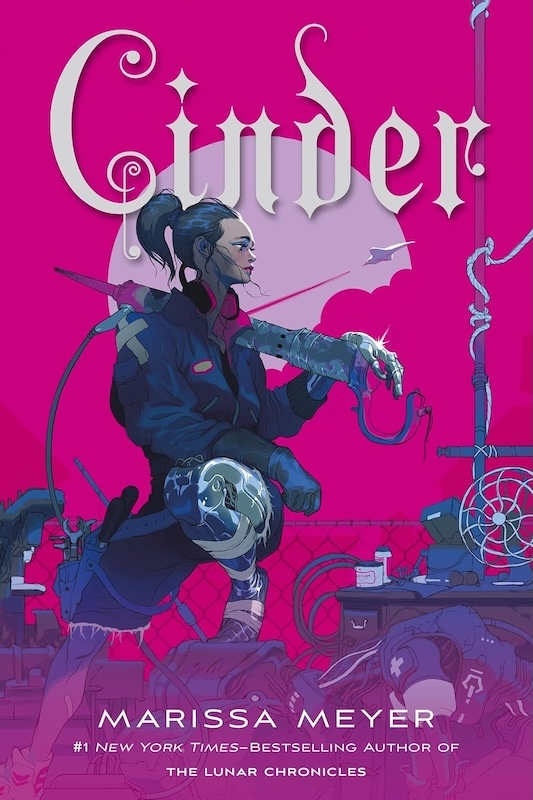
You’ve got Marissa Meyer’s Cinder, Sarah J. Maas’ A Court of Thorns and Roses, and who can forget Gail Carson Levine’s Ella Enchanted. I mean, it was a Newbery Honor book and a movie starring Anne Hathaway that featured a dramatic musical number to my second-favorite Queen song.
But maybe instead of inspiring you, you’re left feeling like everything in the genre has already been done to death. Well, Story Quester, let me change your mind with these…
5 Ways to Make Fairytale Retellings Your Own:
1) Changing the Genre
One of the simplest ways to make a fairytale retelling your own is to change the genre. Go from the standard cookie-cutter Medieval to… The vast galaxy of the future, like in Spinning Starlight by R.C. Lewis, or a Contemporary cursed Brooklyn like Sarah Porter’s Vassa in the Night.
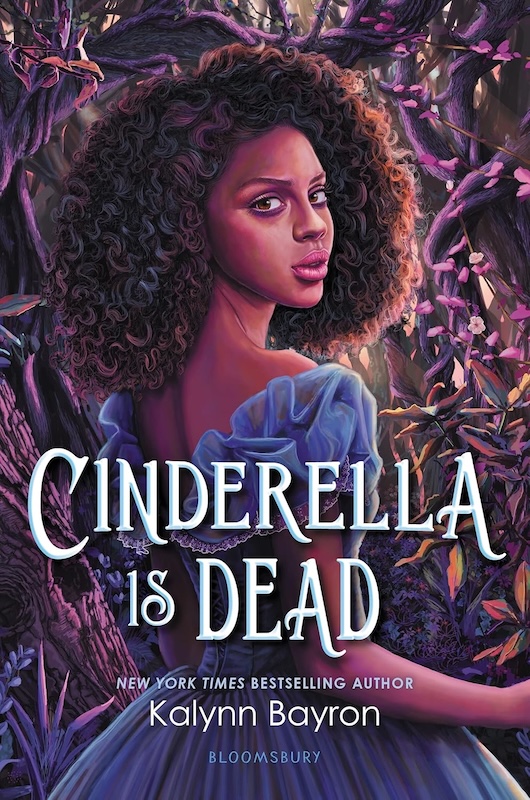
The Young Adult Sapphic Fantasy Cinderella is Dead by Kalynn Bayron reimagines Cinderella as a dystopian world 200 years later. Within this world, teen girls are forced to attend an annual ball to be chosen as wives and the unchosen disappear. The protagonist, Sophia, rejects the system, teams up with a descendant of Cinderella, and the two set out on a mission to overthrow the oppressive king and reveal the truth.
2) Changing the Setting
You could change the fairytale’s setting to something wholly unexpected, like a dystopian future on the moon. Or an East Asian Empire, like in Forest of a Thousand Lanterns by Julie C. Dao. Or…even Manhattan during the Roaring Twenties.
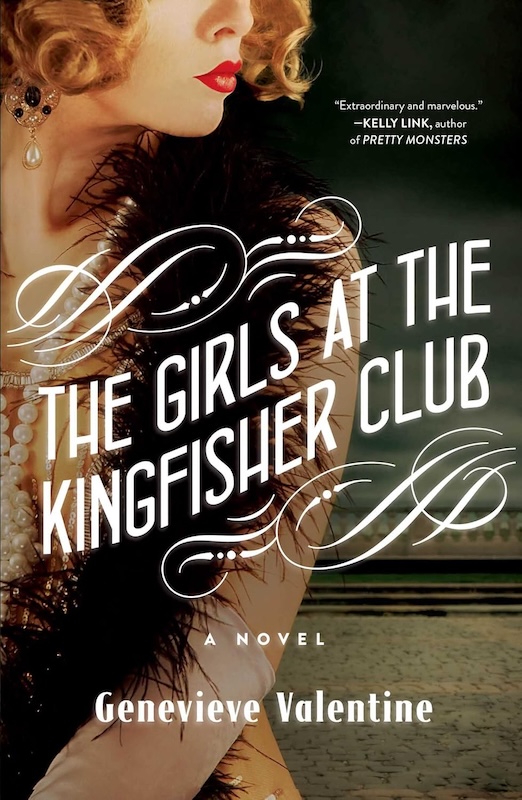
Genevieve Valentine reimagines The Twelve Dancing Princesses as flappers in The Girls at the Kingfisher Club, escaping their distant and controlling father for the speakeasies of the city.
3) Swapping the Gender
Another simple change is gender swapping the Legendary Character or one of the supporting lead characters. Such as Karrie Fransman & Jonathan Flackett’s lushly illustrated Gender Swapped Fairy Tales or Aminah Mae Safi’s Travelers Along the Way: A Robin Hood Remix.
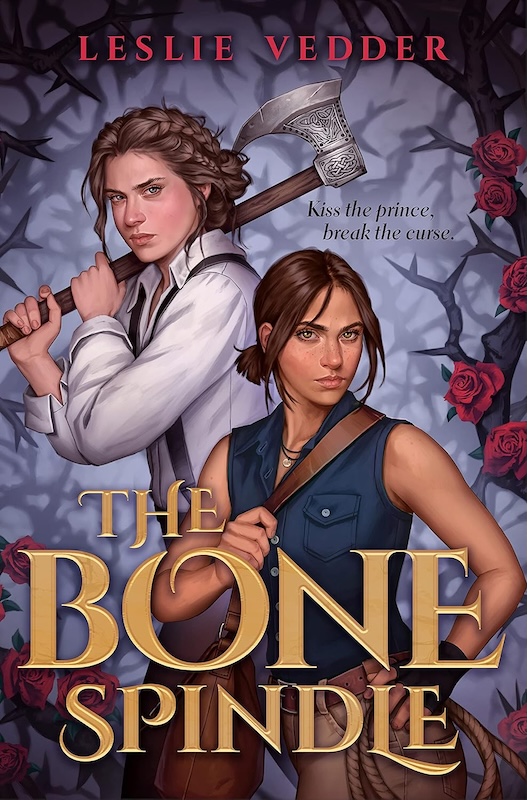
Sleeping Beauty meets Indiana Jones in Leslie Vedder’s gender swapped fairytale mashup, The Bone Spindle. A bookish treasure hunter and a warrior from the north team up to break a centuries-old curse and wake a sleeping prince.
4) Changing Perspective
You could shift the story’s perspective to a side character or even someone entirely fabricated, like in Beast: a Tale of Love and Revenge by Lisa Jensen.
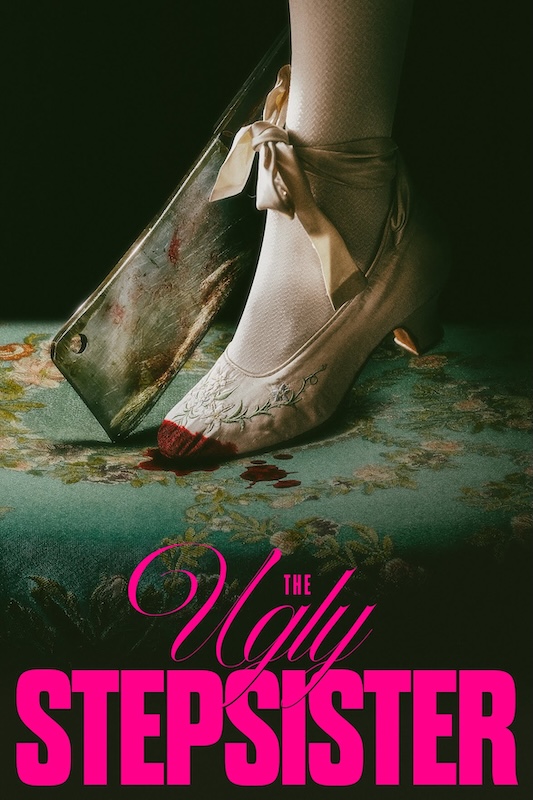
The Norwegian Dark Comedic Fantasy film The Ugly Stepsister (Den Stygge Stesøsteren) by Emilie Blichfeldt retells Cinderella from the POV of her stepsister Elvira. The story is an exploration of the true horror of beauty as Elvira struggles (and ultimately fails) to meet extreme societal standards and win the prince’s affection. It is a masterpiece of visual storytelling that I highly recommend.
5) Blending Stories
If you’re looking to try a more advanced technique, you can combine one or more fairytales, or combine fairytales with folklore, or combine fairytales with Shakespeare or mythology.
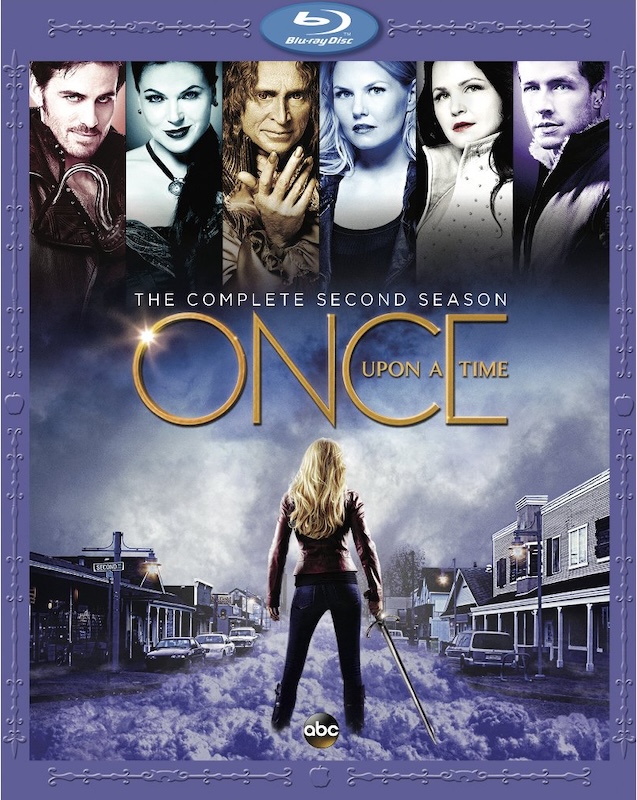
Throughout its 7-season run, the TV show Once Upon a Time shifts back and forth between the seaside town of Storybrooke, Maine, and the world of fairytales we’re all familiar with. It’s a masterclass in storytelling as each character’s fairytale and real-world arcs are resolved by the end.
Well, Story Quester, whether you chose to go with a well-worn favorite or an obscure selection, I hope these examples get you one step closer to the fairytale ending you desire. Until next time, this is your friendly neighborhood storytelling Kat signing off.
Question of the week
What’s your favorite fairytale retelling? Leave a comment and share!

Leave a Reply