
If we don’t hold on to our culture, we forget WHO we are. We forget who we WERE. And if WE forget, someone else can rewrite it.
It’s St. Patrick’s Day 🍀 And my grandmother always instilled in us that St. Patrick’s wasn’t just the fun novelty holiday it’s become. But instead, an important celebration of our Irish heritage.
Our ancestors had come to New York seeking a better life during the Great Famine. One of whom could only afford to send a single son to America, while the rest remained in Ireland. He survived the voyage across the Atlantic with only a bag of raisins. His entire family back in Ireland—did not.
His story—our story—is not unique, to be sure. But it’s woven into our bones.
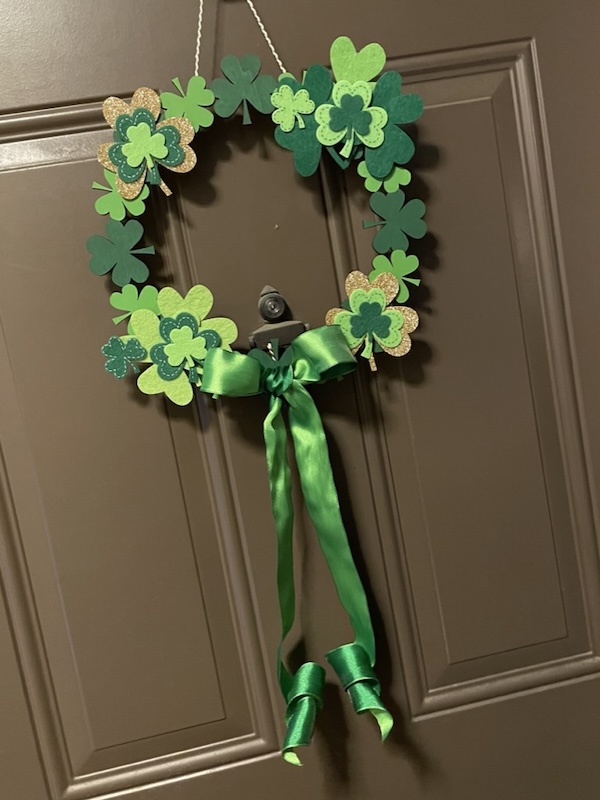
My mother’s generation was the first to leave New York since they stepped off the boats in the late 1840s. And they traded Long Island for Lancaster, the high California desert.
But we kept up tradition, decorating for St. Patrick’s as if it were Easter or Halloween with clovered wreaths dangling green ribbons and outfits bedecked in emerald and olive.
This will be my first St. Patrick’s Day without my mom or grandmother, but I will never forget why it meant so much to her. Because when I got old enough to understand, she said:
If we don’t hold on to our culture, we forget who we are. We forget who we were. And if we forget, someone else can rewrite it.
So as I don my shamrock scarf and dust my eyes in emerald shadow, I think back on all the stories my Irish grandmother told me of growing up in New York.
And so no one can rewrite your story, Story Quester, here’s a brief introduction to Narrative Nonfiction:
Narrative Nonfiction
Narrative Nonfiction is made up of the genres of Memoir, Narrative History, Biography, True Crime, and Journalism. Basically, they’re about people’s lived experiences.
It’s a genre of storytelling that presents the facts of someone’s life, an event, or historical time, as a true story. And just like any novel, Narrative nonfiction stories have Legendary Characters, antagonists, vivid, detailed descriptions, and story arcs.
Example
BBC did an absolutely fabulous 3-part documentary back in 2012 on the nearly 1.5 million people who worked as domestic servants between the 18th to mid-20th century.
Servants: The True Story of Life Below Stairs, by Dr. Pamela Cox, chronicles the height of British domestic service and its decline. But more importantly, it demonstrates—once again—that we understand how people LIVED throughout history not by the great deeds they did or accolades they achieved, but through the simple records of their lives they chose to keep.
Memoir
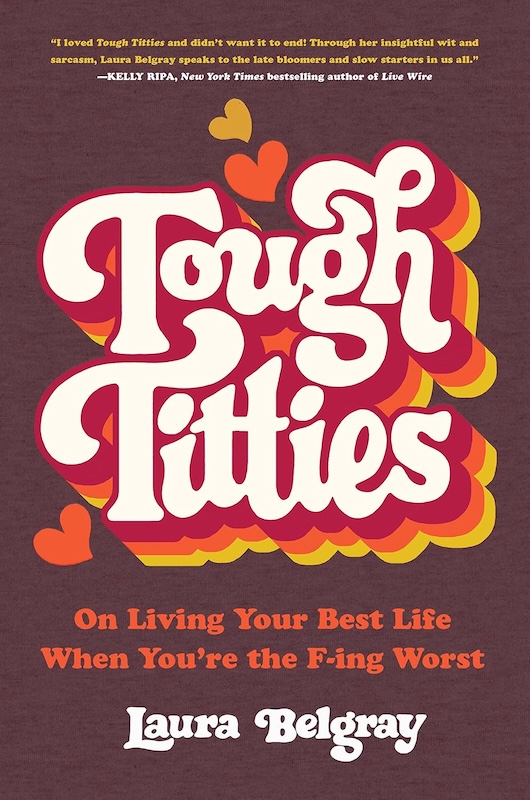
The most recognizable type of Narrative Nonfiction is the memoir. A first-person narrative focusing on a theme or specific, important period in the storyteller’s life rather than a full biography.
Contrary to what you may think, you don’t have to be an astronaut or have survived some great tragedy to pen a memoir. You can just have some interesting wisdom or stories to share.
Example
Tough Titties by Laura Belgray. Wildly relatable coming-of-age stories on living your best life when you’re the f’ing worst.
Historical Nonfiction
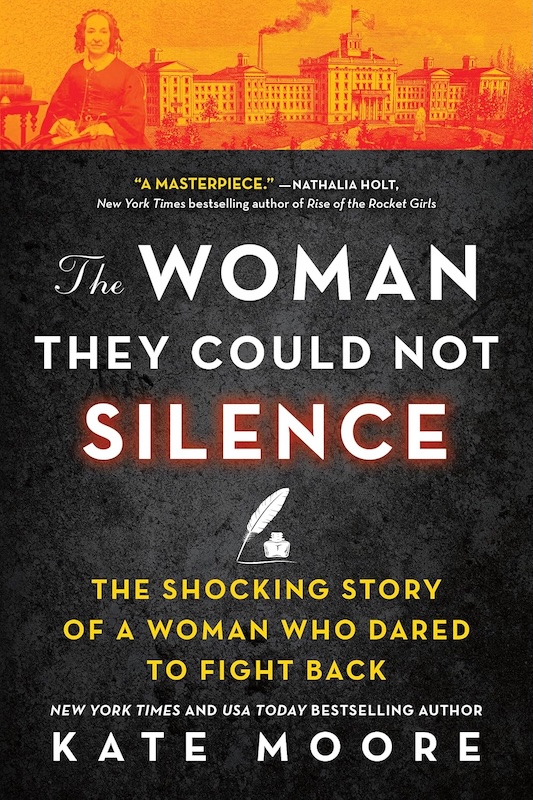
Though it reads like a novel and is similar to historical fiction, Historical Nonfiction is more heavily researched and full of factual information than its fictional counterpart.
Example
The Woman They Could Not Silence by Kate Moore. The true story of Elizabeth Packard, who was unjustly institutionalized in the 1860s and fought back against medical and societal oppression.
Well, Story Quester, I hope these examples help you tell your story or one that needs to be told. Until next time, this is your friendly neighborhood storytelling Kat wishing you the luck of the Irish 🌈🍀

Leave a Reply